

Anthropic’s AI Blog Experiment Ends: Key Takeaways for Enterprise AI
In a recent blog post, we explored Anthropic’s ambitious experiment with Claude Explains, an AI-generated blog powered by its Claude models, and what it could mean for enterprise AI strategies (read the full post here). We highlighted how such initiatives might signal a future where AI seamlessly integrates into content creation, marketing, and customer engagement. However, just days after our analysis on June 9, 2025, Anthropic shut down the Claude Explains blog, redirecting its page to the company’s homepage. This development raises critical questions about the readiness of AI for public-facing roles and what enterprises can learn as they craft their AI strategies.
What Happened to Claude Explains?
Launched recently, Claude Explains was Anthropic’s attempt to showcase Claude’s writing capabilities. The blog featured technical posts, such as “Simplify complex codebases with Claude,” blending customer-driven “tips and tricks” content with marketing goals. Human editors oversaw the process, enhancing Claude’s drafts with practical insights. Despite gaining traction—with over 24 websites linking to its posts within a month—the blog faced criticism for lacking transparency about the extent of AI-generated content. Social media sentiment, as reflected in various posts on X, pointed to trust issues, with some calling it “fake blogspam” that failed to add new value. Anthropic wound down the pilot after a short time, ending the experiment soon after its launch.
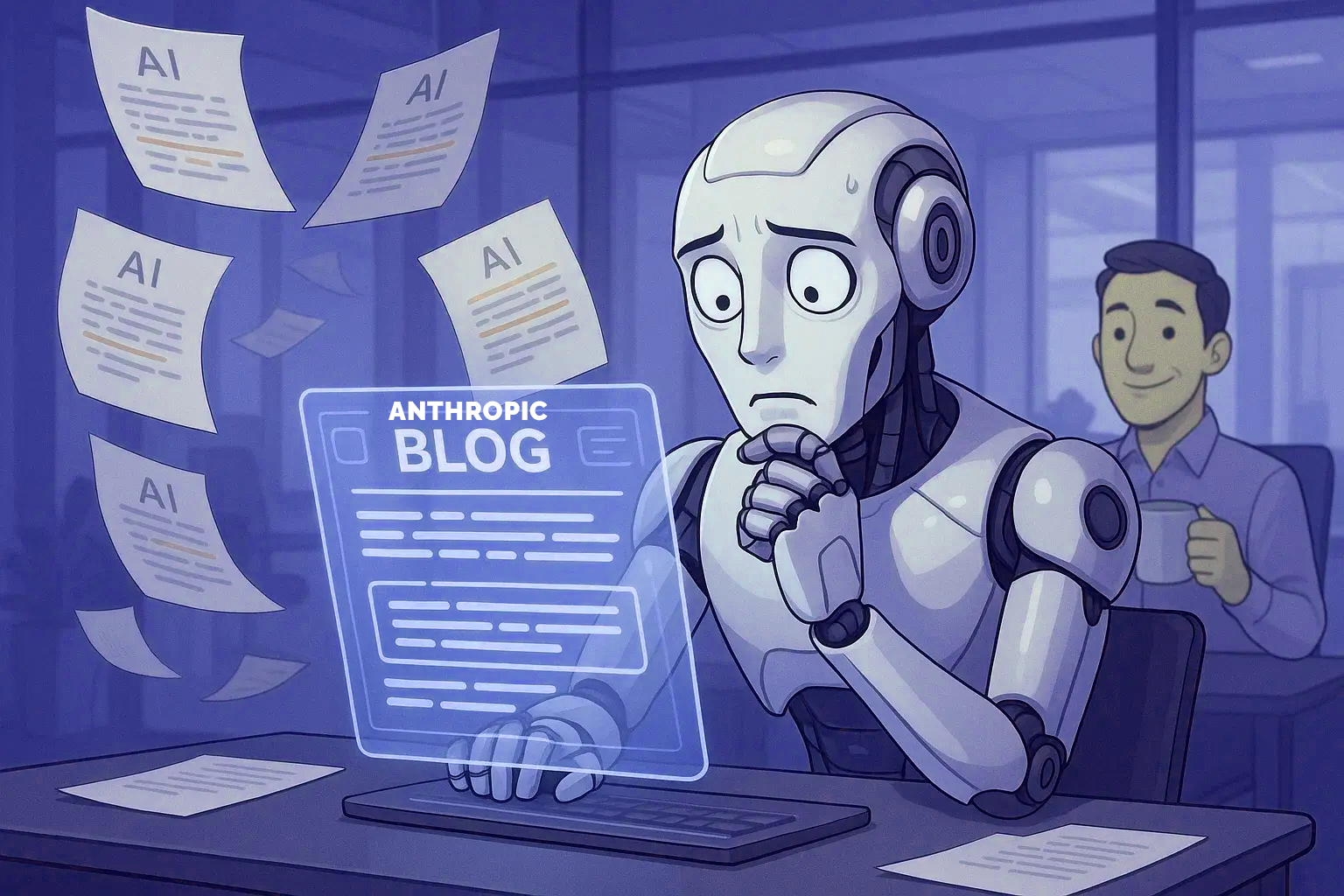 (Anthropic’s bold AI blogging experiment is over)
Why Did It Fail?
The shutdown of Claude Explains underscores several challenges:
Transparency Gaps: Anthropic’s failure to clearly disclose the balance between AI-generated and human-edited content eroded trust. Enterprises must note that stakeholders—whether customers, employees, or partners—demand clarity on AI’s role in outputs.
AI’s Reliability Risks: Even with human oversight, AI can produce inaccuracies or lack the nuanced judgment humans bring to communication. Anthropic may have been cautious about overstating Claude’s abilities, especially after high-profile AI content errors by publishers like Bloomberg and G/O Media.
Value Perception: If AI-generated content doesn’t offer fresh insights, it risks being seen as redundant. Enterprises need to ensure AI applications deliver tangible value, not just automation for its own sake.
Lessons for Enterprise AI Strategy
The rise and fall of Claude Explains offers key takeaways for businesses integrating AI:
Prioritize Trust and Transparency: If AI is used in customer-facing roles, enterprises must be upfront about its involvement. For example, when deploying AI chatbots or content tools, clearly label AI-generated outputs and ensure human oversight is robust.
Focus on Value Creation: AI should solve real problems or enhance experiences, not just replace human effort. For instance, using AI to analyze customer data and personalize services can add value, whereas generic AI-written blogs may fall flat.
Leverage Standards Like MCP: OpenAI’s adoption of Anthropic’s Model Context Protocol (MCP), as noted in our previous LinkedIn carousel, highlights the importance of interoperability. Enterprises should adopt standards that allow AI to integrate seamlessly with existing tools, ensuring efficiency and scalability.
Invest in Human-AI Collaboration: Anthropic’s experiment aimed to show how AI can amplify human expertise, not replace it. Enterprises should design workflows where AI handles repetitive tasks—like data analysis or initial drafts—while humans focus on strategy, creativity, and final validation.
Kaira Software’s Approach
At Kaira Software, we believe AI integration must be strategic, transparent, and value-driven. Our work with clients focuses on leveraging AI to streamline workflows, such as automating data extraction from CRMs or enabling real-time insights from design tools like Figma. We advocate for adopting standards like MCP to ensure AI works seamlessly across your tech stack. Most importantly, we prioritize trust—ensuring AI outputs are reliable, clearly labeled, and aligned with your business goals.
Looking Ahead
Anthropic’s decision to shut down Claude Explains doesn’t signal the end of AI in content creation but rather a pivot toward more thoughtful applications. Enterprises must learn from this: AI is a powerful tool, but its deployment requires careful planning, transparency, and a focus on delivering real value. As AI continues to evolve, those who balance innovation with trust will lead the way.
Frequently Asked Questions (FAQs)
Ready to integrate AI into your enterprise strategy without the pitfalls? Let’s explore how Kaira Software can help you build AI solutions that are seamless, trustworthy, and impactful. Visit us at kairasoftware.com or reach out to discuss your AI journey.